
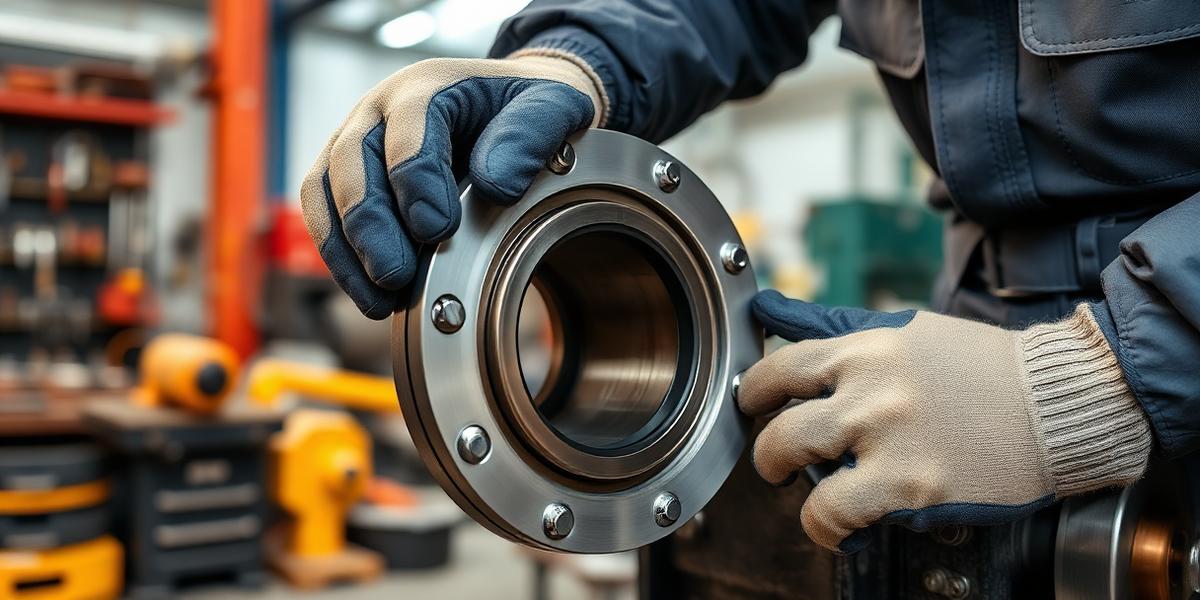
Mechanical Seal Troubleshooting Guide
Diagnose mechanical seal failures using the SCAN method — Symptom, Cause, Answer, Next Step.
This guide uses the SCAN method — Symptom, Cause, Answer, Next Step — to help engineers and maintenance teams diagnose mechanical seal problems quickly and accurately. Andrew Sykes MCGI has applied this framework across 36 years of field consultancy in chemical, pharmaceutical, defence, and energy sectors.
Symptom 1 — Seal is Leaking
Common Causes
- Incorrect installation (damaged seal faces during fitting)
- Dry running — seal operated without flush or barrier fluid
- Wrong elastomer — chemical attack on O-ring or bellows
- Faces not bedded in — insufficient run-in period
- Seal operating above its pressure or temperature rating
Diagnostic Questions
- When did the leak start — immediately after installation or after a period of operation?
- Has the process fluid or temperature changed recently?
- Is the leak from the seal face, the shaft sleeve, or the gland plate?
Next Step
Contact Acumen Seals for a failure analysis. Send a photograph of the seal faces and the seal data sheet to office@acumenseals.co.uk.
Symptom 2 — Seal Running Hot
Common Causes
- Insufficient or blocked flush (API Plan 11, 13, or 32 not functioning)
- Wrong seal face combination for the duty
- High viscosity fluid causing excessive drag
- Seal spring load set incorrectly
Diagnostic Questions
- Is the flush plan operating correctly?
- What are the actual process temperature and pressure versus the seal's rated limits?
- Is the heat localised to the seal faces or across the gland plate?
Next Step
Check flush plan flow rate against the API 682 recommendation for the seal size. If unclear, contact Acumen Seals on 07767 842601.
Symptom 3 — Excessive Seal Face Wear
Common Causes
- Abrasive particles in the fluid (particularly bead mill and slurry applications)
- Wrong face material combination
- Inadequate lubrication at the seal interface
- Shaft vibration or misalignment
Diagnostic Questions
- What face materials are currently specified?
- Is the fluid clean or does it contain solids?
- Has a vibration analysis been carried out on the pump?
Next Step
For abrasive applications, silicon carbide versus silicon carbide is typically the correct face combination. Acumen Seals can advise on the correct specification for your duty.
Symptom 4 — Seal Failing Repeatedly in the Same Application
Common Causes
- Root cause not identified after first failure
- Seal specification not matched to actual operating conditions
- Systematic installation error in the maintenance team
- Incorrect seal selected from a catalogue without engineering review
Diagnostic Questions
- Has a full failure analysis been carried out on the removed seal?
- Is the same seal type being re-fitted each time?
- Has the operating condition (temperature, pressure, fluid) been verified against the original design intent?
Next Step
Repeat failures almost always indicate a specification or installation issue, not a product quality issue. Andrew Sykes offers a fixed-fee failure analysis consultancy. Contact office@acumenseals.co.uk.
Related questions: seal problem or pump problem?, repeat failure after a like for like replacement and what to record when specifying a replacement.
Free PDF: 40 Reasons Mechanical Seals Fail
Field diagnostic reference covering installation, material, operating and maintenance causes.
Related Services
Seal Refurbishment
Professional rebuild services to extend seal life and reduce costs.
Explore refurbishment →Need Expert Help?
If you're facing persistent seal problems, our engineering team is ready to assist with diagnosis, custom solutions, and refurbishment services. With over 36 years of experience, we can help solve even the most challenging sealing applications.